
ISO 9001 · ISO 14001 · IATF 16949 · RoHS / REACH
PVC electrical tape · insulation · OEM / ODM
Custom PVC electrical tape — insulate, identify, protect.
Flame-retardant vinyl electrical tapes — general, professional UL-grade, color-coding, high-temperature and all-weather, plus self-fusing splicing tape. Tuned for dielectric strength, conformability and clean unwind; custom color, width and printed core.
BackingPVC vinyl
Rating600 V · flame-retardant
AdhesiveRubber · Acrylic · Silicone
ListingsUL 510 · CSA option
PVC electrical tape, made to order
Insulation you can certify.
An electrical tape has one non-negotiable job: insulate safely. That means a vinyl backing with proven dielectric strength, an adhesive that won’t quit with heat or age, and flame retardancy so it self-extinguishes. On top of that it has to conform — wrapping splices and bundles tightly without flagging.
Because we coat our own adhesive and slit in-house, we build the tape to the class you need — an everyday rubber adhesive, a heat-aging acrylic, or a high-temperature silicone — in black or the full phasing palette, UL 510 / CSA listed where required, with your brand on the core.
Dielectric & flame-retardantStrong insulation that self-extinguishes — built to UL 510 / CSA where required.
Conforms without flaggingStretchy vinyl that molds to splices and bundles for a moisture-tight wrap.
Full phasing paletteBlack for insulation; colors for phase and voltage identification.
Product range
PVC electrical tapes by grade.
Six common builds — each customizable on color, width, core and print. Tell us the voltage, temperature and listing you need and we’ll recommend one.
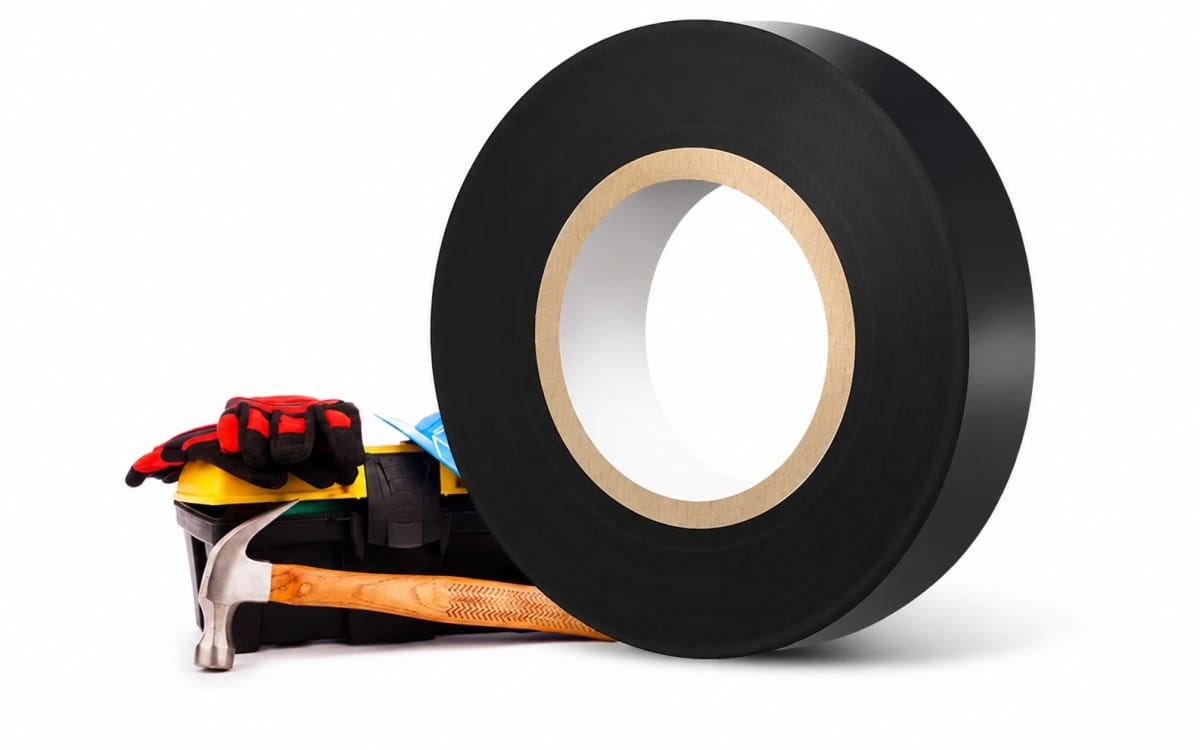
Rubber · Class B
General-purpose PVC tape
Economical black vinyl with a high-tack rubber adhesive for everyday insulation, bundling and harnessing — flame-retardant and easy to apply.
Adhesive: rubber · Class: B (~80 °C)
Rating: 600 V, flame-retardant
Rating: 600 V, flame-retardant
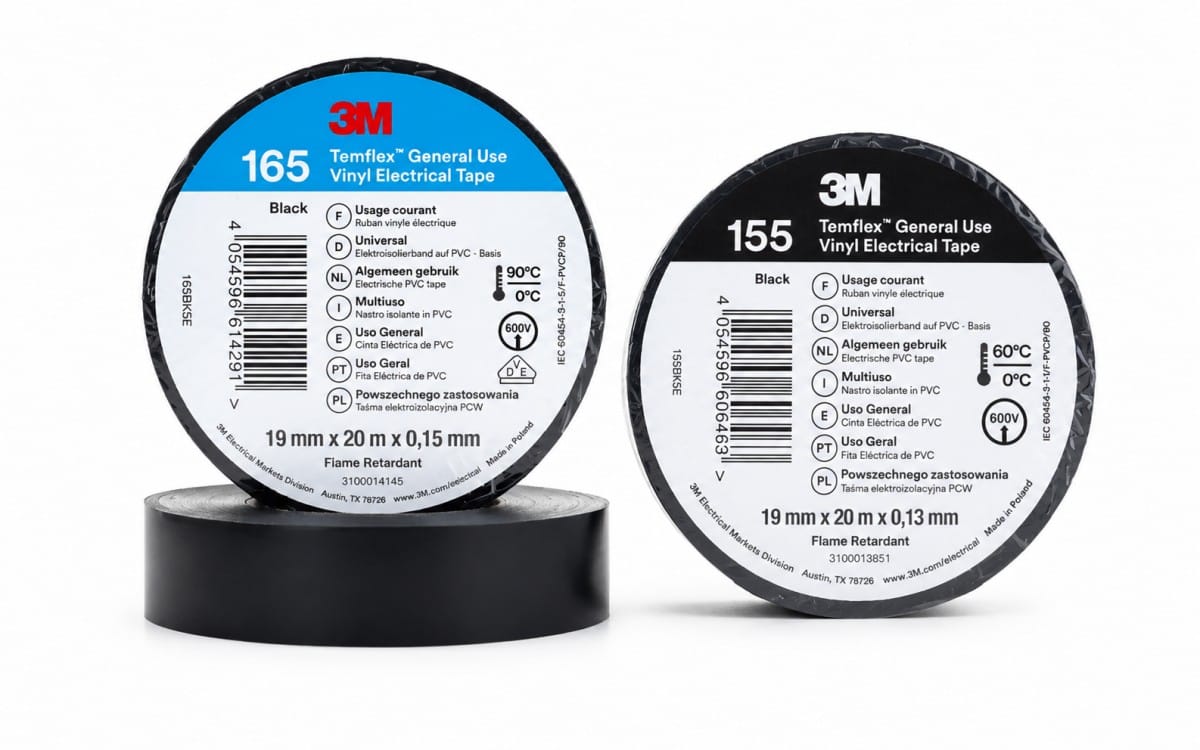
UL 510 · CSA
Professional UL-grade tape
Premium vinyl with higher dielectric strength and all-weather performance, available UL 510 / CSA listed for code terminations and repairs.
Listing: UL 510 / CSA option
Property: all-weather, high dielectric
Property: all-weather, high dielectric
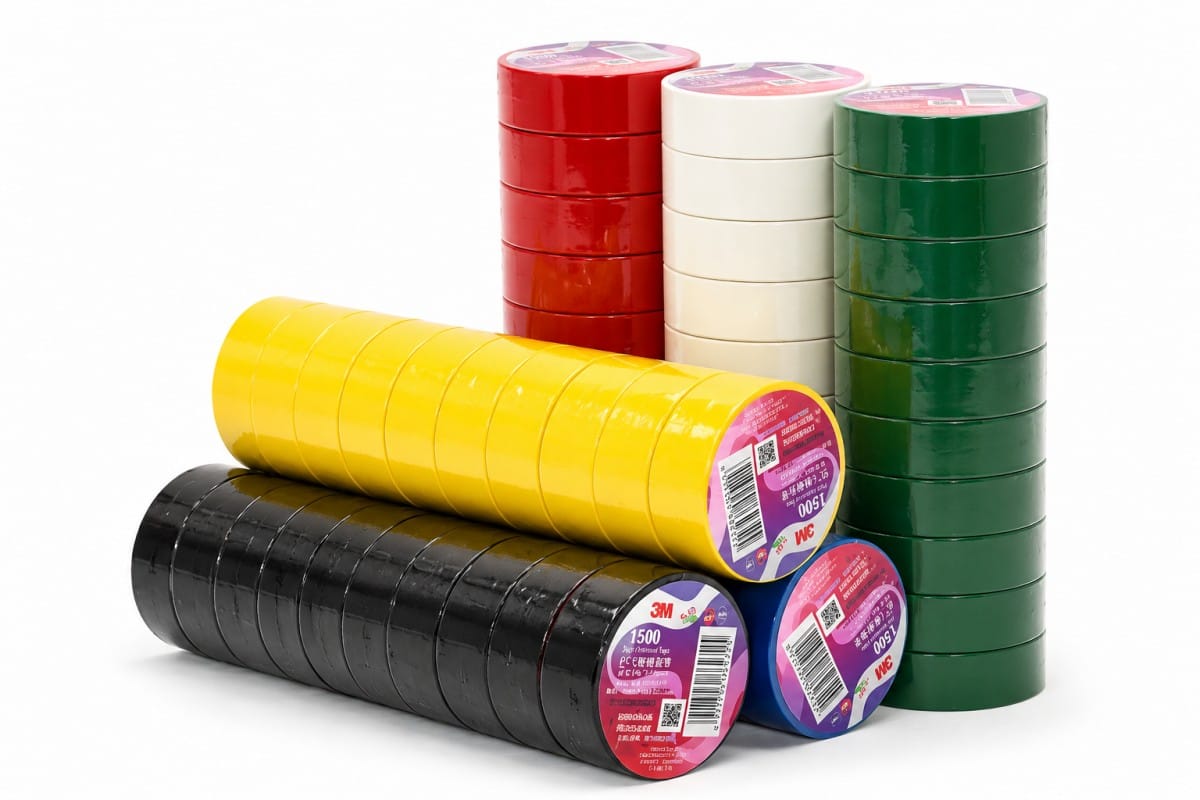
Phasing colors
Color-coding tape
Vinyl in a full color range for phase and voltage identification — coding conduit, motor leads and terminations for safety and clarity.
Colors: phasing palette
Use: identification, marking
Use: identification, marking
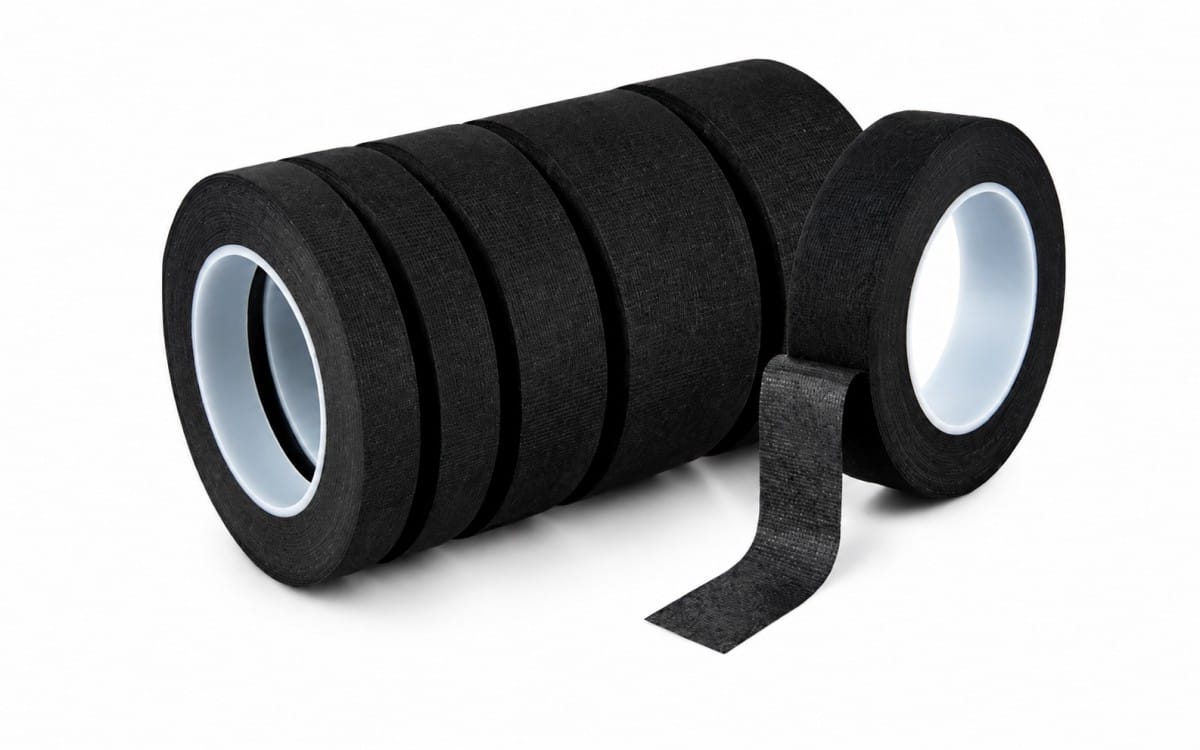
Acrylic / silicone
High-temp & automotive tape
Heat-aging acrylic (Class F) or silicone (Class H) adhesive for under-hood harnesses, motors and hot environments — abrasion and noise resistant.
Adhesive: acrylic / silicone
Temp: ~105–150 °C
Temp: ~105–150 °C
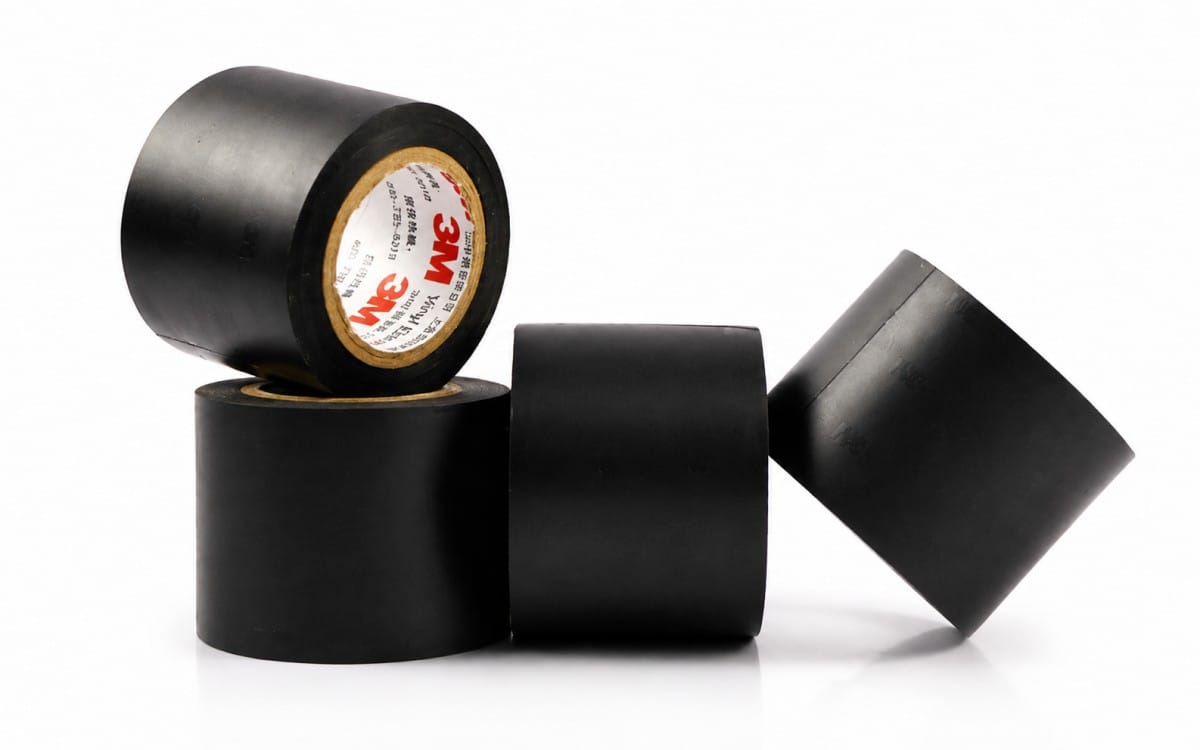
Cold-flex · UV
All-weather PVC tape
Thicker, cold-flexible vinyl that stays pliable in low temperatures and resists UV, moisture and abrasion — for outdoor and industrial work.
Property: cold-flex, UV/moisture
Use: outdoor, industrial
Use: outdoor, industrial
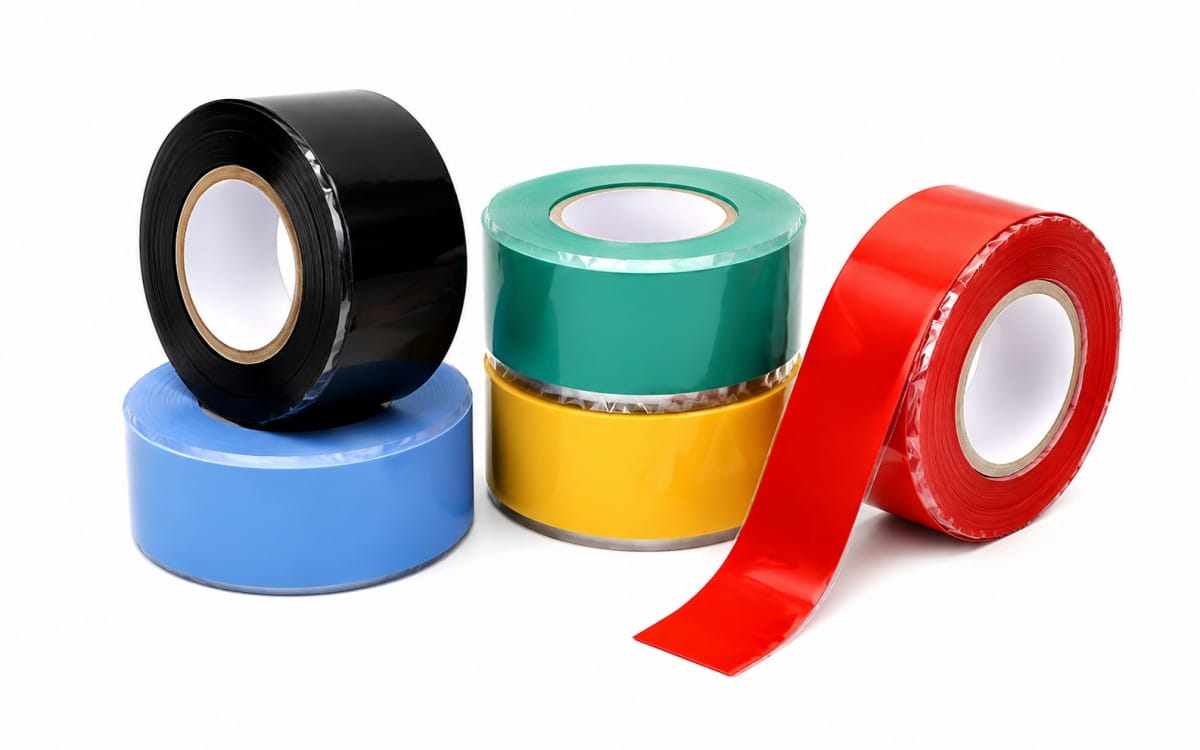
Rubber / silicone
Self-fusing splicing tape
Rubber or silicone tape that fuses to itself (no adhesive) into a seamless, moisture-tight, high-voltage insulation layer for splices and sealing.
Type: self-amalgamating
Use: splices, sealing, HV
Use: splices, sealing, HV
Specifications
Compare the electrical tapes.
Representative ranges to help you shortlist — exact dielectric strength, rating and listings are confirmed on each product’s data sheet.
| Grade | Backing | Adhesive (class) | Temp.* | Rating | Key property | Best for |
|---|---|---|---|---|---|---|
| General-purpose | PVC vinyl | Rubber (B) | ~80 °C | 600 V | High tack, flame-retardant, economical | Insulation, bundling, harnessing |
| Professional / UL | PVC vinyl | Rubber / acrylic | ~80–105 °C | 600 V, UL 510 | High dielectric, all-weather, listed | Code terminations, repairs |
| Color-coding | PVC vinyl | Rubber | ~80 °C | 600 V | Phasing colors for ID | Phase / voltage marking |
| High-temp / auto | PVC vinyl | Acrylic (F) / silicone (H) | ~105–150 °C | 600 V | Heat-aging, abrasion, noise damping | Under-hood harness, motors |
| All-weather | PVC vinyl (thicker) | Rubber / acrylic | –18 to 80 °C | 600 V | Cold-flex, UV / moisture resistant | Outdoor, industrial |
| Self-fusing | EPR rubber / silicone | Self-amalgamating (no PSA) | ~90–180 °C | high-voltage | Fuses to itself, moisture-tight | Splices, sealing, HV insulation |
*Representative typical values for shortlisting. Dielectric strength is commonly around 40 kV/mm for PVC grades; thermal classes B (~130 °C), F (~155 °C) and H (~180 °C) refer to the insulation system rating. Colors, thickness, width, core and listings (UL 510 / CSA / RoHS / REACH) are made to order. Final specs confirmed per product.
How it’s built
The anatomy of an electrical tape.
A vinyl electrical tape is single-coated: a flexible PVC backing carries the adhesive on one face, with a primer that anchors the adhesive so it won’t transfer onto conductors. The PVC is plasticized for stretch and conformability, and the adhesive class — rubber, acrylic or silicone — sets the heat and aging performance. Self-fusing splicing tapes use no adhesive at all; the rubber or silicone fuses to itself into one solid layer.
PVC vinyl backing — plasticized for stretch & dielectric strength
Primer — anchors the adhesive to the film
Adhesive — rubber (B) / acrylic (F) / silicone (H)
Where it’s used
Applications.
Wire & cable insulation
Insulating conductors and low-voltage connections.
Splices & terminations
Sealing joints and terminations against moisture.
Phase identification
Color-coding circuits, conduit and motor leads.
Wire harness & bundling
Bundling and protecting wiring looms.
Automotive & under-hood
Heat- and abrasion-resistant harness wrapping.
Motors & coils
Class F/H tapes compatible with impregnating resins.
Moisture & corrosion sealing
Self-fusing wraps for weatherproof, sealed joints.
Construction & MRO
General insulation, bundling and repair on site.
OEM / ODM
What you can customize.
As a source factory we build to your spec — low MOQ on custom runs, free samples and a quote within one business day.
Adhesive & classRubber (B), heat-aging acrylic (F) or silicone (H) for the temperature you need.
Backing & thicknessStandard to heavy-duty vinyl; thicker grades for all-weather and abrasion.
ListingsUL 510 / CSA, flame-retardant, RoHS and REACH grades on request.
ColorBlack plus the full phasing palette; matched custom colors.
Width & lengthSlit to any width (e.g. 18 / 19 / 25 mm); wound to your length.
Core size1″ (25.4 mm) cores, log rolls or jumbo for converters.
Core & film printBranded core print and printed film for identification.
PackagingSingle, shrink, blister or boxed sets in your design.
Private labelYour brand, core, packaging and carton — full OEM/ODM.
Specifying it right
Three things that decide the tape.
01 · Adhesive class
Match it to the heat
Rubber (Class B) gives high initial tack and easy handling for everyday work. Heat-aging acrylic (Class F) holds up in hot environments and is compatible with motor impregnating resins. Silicone (Class H) takes the highest temperatures and leaves no residue.
02 · Safety & rating
Insulate to standard
For code work, choose a UL 510 / CSA listed, flame-retardant tape with enough dielectric strength for the voltage. Use black for insulation and the phasing palette for identifying phases and voltage levels.
03 · Application
Wrap it for a lasting seal
Apply with steady tension and overlap each turn, then finish the final wrap with less tension so the end doesn’t flag or curl back. Good conformability gives a moisture-tight seal over splices and bundles; for high-voltage joints, build up with self-fusing tape.
Need the technical data sheet?
Get full specs — dielectric strength, tensile, elongation, temperature and listings — plus free samples to test on your own work.
Buyer FAQ
Electrical tape questions.
The things buyers ask before ordering. Don’t see yours? Send it with your spec.
What voltage and dielectric strength do your tapes have?
Our PVC grades are typically rated to 600 V with a dielectric strength around 40 kV/mm; exact values vary by thickness and grade and are stated on each data sheet. Tell us your voltage and we’ll confirm the right tape.
Are your electrical tapes UL listed?
Yes — professional grades are available UL 510 and CSA listed, flame-retardant and self-extinguishing, with RoHS and REACH compliance on request for global markets.
Rubber, acrylic or silicone adhesive — which should I choose?
Rubber (Class B) has high tack and is easy to apply for everyday work. Acrylic (Class F) resists heat-aging and suits motor windings and impregnating resins. Silicone (Class H) handles the highest temperatures and removes without residue.
What do the tape colors mean?
Black is the standard for insulation. Colored tapes are used for phasing — identifying circuit phases and voltage levels on conduit, motor leads and terminations. We supply the full palette plus custom colors.
Do you have tape for automotive / high-temperature harnesses?
Yes — high-temperature grades with acrylic or silicone adhesive that handle under-hood heat (roughly 105–150 °C), resist abrasion and chemicals, dampen noise and tear by hand for fast harness work.
What’s self-fusing tape for?
Self-fusing rubber or silicone tape uses no adhesive — it bonds to itself into one seamless, moisture-tight, high-voltage insulation layer, ideal for splices and weatherproof sealing where ordinary tape would flag.
What widths, cores and formats do you offer?
Common widths such as 18 / 19 / 25 mm on 1″ cores, plus any custom width, length, log rolls and jumbo for converters — with branded core print and packaging.
What’s your MOQ, and can I get samples?
MOQ is low for a source factory and depends on grade, color and listing. We ship free samples so you can test dielectric performance, conformability and unwind before committing — request them with your spec.
Get a custom PVC electrical tape quote.
Send your voltage, temperature, color and listing needs with your quantity — we’ll recommend a grade, send free samples and quote within one business day.